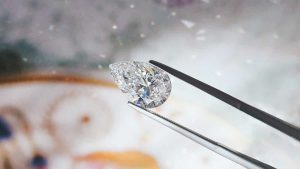


written by Jessica
Marquise Diamonds: Everything You Need to Know
To the one that wants the marquise, it is the only one for her.
For someone set on a marquise diamond, sometimes it really is the only one.
Romantic, classical, a little fancy, and just whimsical enough. A marquise cut diamond has that long, lip-like outline with two pointed ends, so it brings presence to the hand without needing a huge setting.
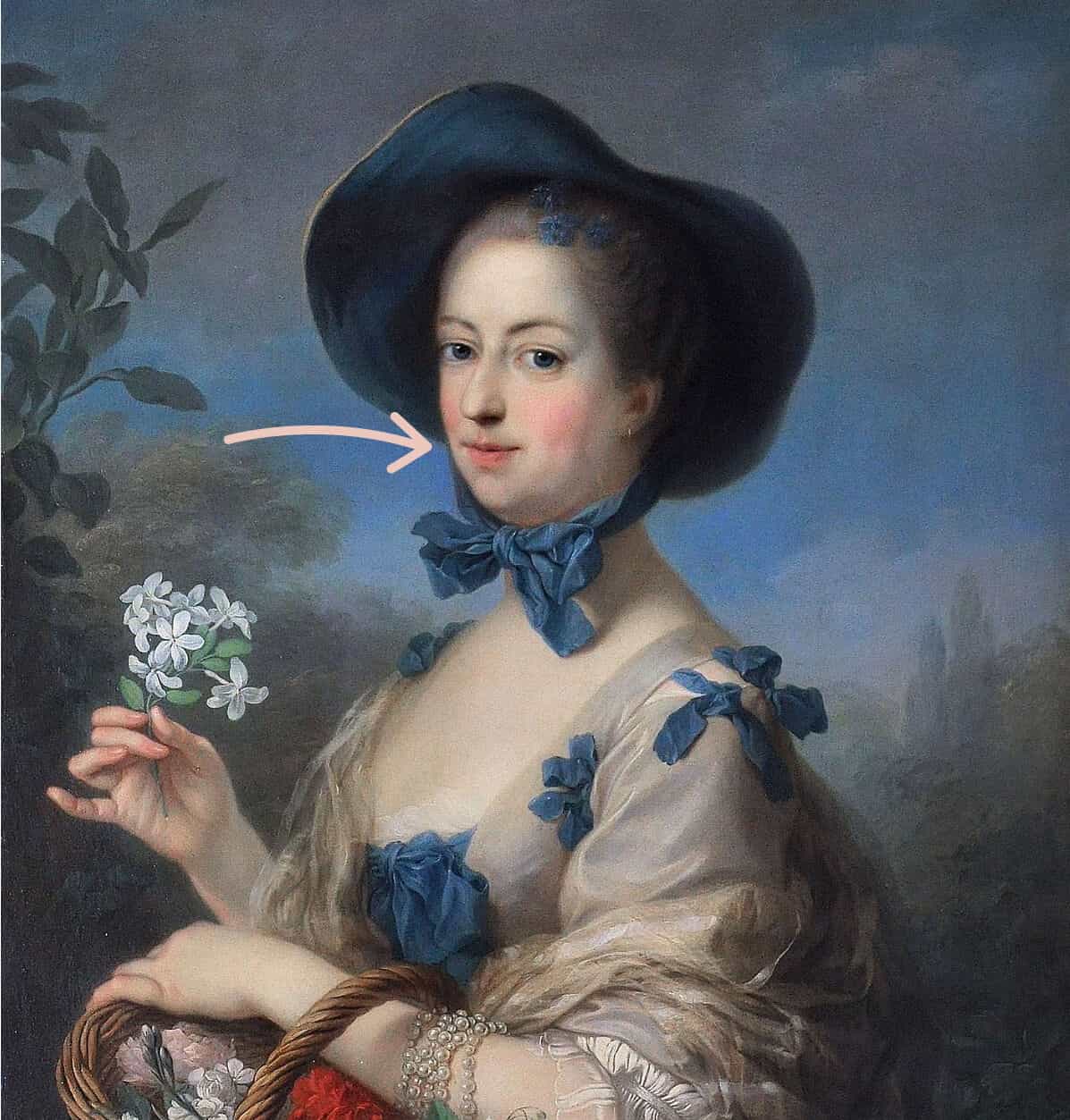
The cut was developed in France and named after the Marquise de Pompadour, mistress to King Louis XV, because its shape was said to resemble the outline of her lips. Very old-world. Very dramatic. But the practical appeal still matters: a marquise diamond can look bigger than many diamonds of the same carat weight.
Still, we wouldn’t pick one from a single inspiration photo. A beautiful marquise diamond ring comes down to proportion, bow-tie, colour, and setting.

Key Takeaways
- A marquise diamond usually has 58 facets and often looks larger per carat than a round diamond.
- A bow-tie is normal, but a heavy one can make the centre look dark or flat.
- Length-to-width ratio helps, but your eye and hand matter most.
- V-prongs, bezels, or thoughtful claws help protect the pointed tips.
What is a marquise diamond?
A marquise diamond is an elongated brilliant-cut diamond with two pointed ends. You may also hear it called a navette cut, meaning “little boat” in French.
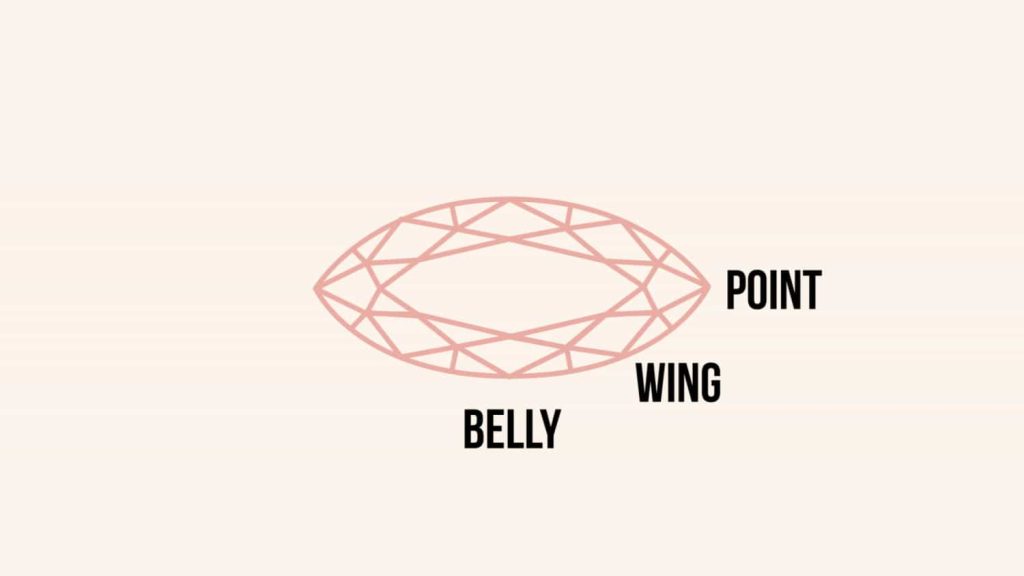
The main parts to notice are the belly, points, and wings. The belly is the fuller centre. The wings are where the curve starts moving toward each point. Sometimes people search for dutch marquise diamond or marquise shaped diamond, but most mean this same long silhouette.
- uneven wings
- points that don’t line up
- or one side feeling heavier
With marquise, your eye travels point to point, so irregularities show quickly.
Why marquise diamonds look so large
This is why people fall hard for diamond marquise engagement rings. The weight spreads across the stone’s length, so face-up, it can look larger than a round of the same carat.
A 1 carat marquise diamond ring can give lovely coverage. A 2 carat marquise diamond ring feels more dramatic. A 3 carat marquise diamond ring makes length a real feature. With a 4 carat diamond ring marquise style or a 5 carat marquise diamond ring, proportion matters even more.
Fractions feel safe, but let your eyes lead. Some people love a long marquise. Others prefer a plumper one. You may even see a softer point that feels like a “moval,” almost a marquise and oval hybrid. It’s not only science. It’s art too.
elongated
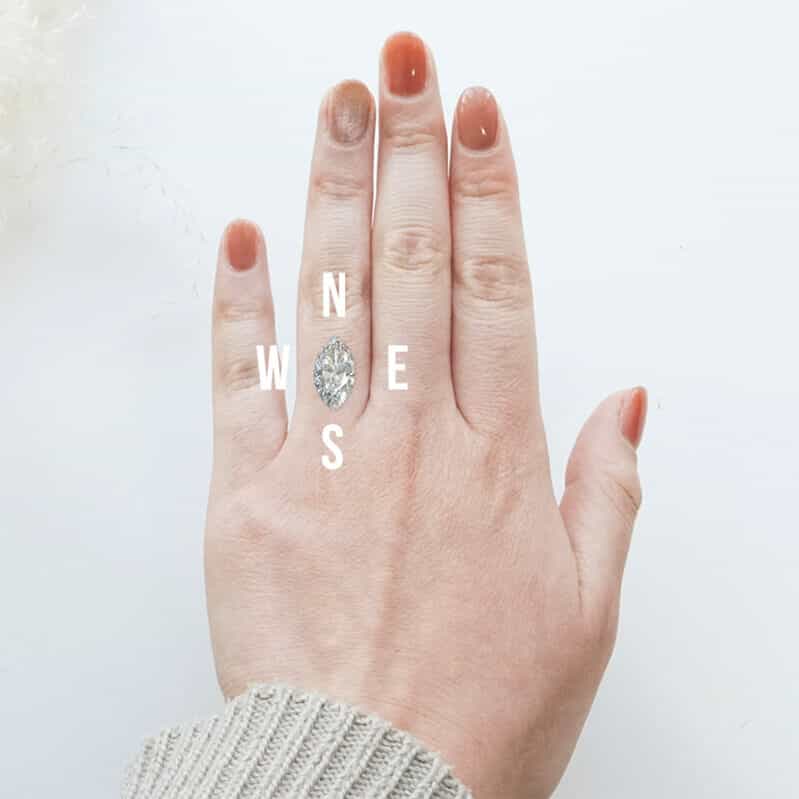
plumped
Not sure where to start?
Every custom ring at Engage Studio starts with a conversation, not a catalogue. Come talk it through with our team.
Contact UsThe bow-tie effect: what it is and when it matters
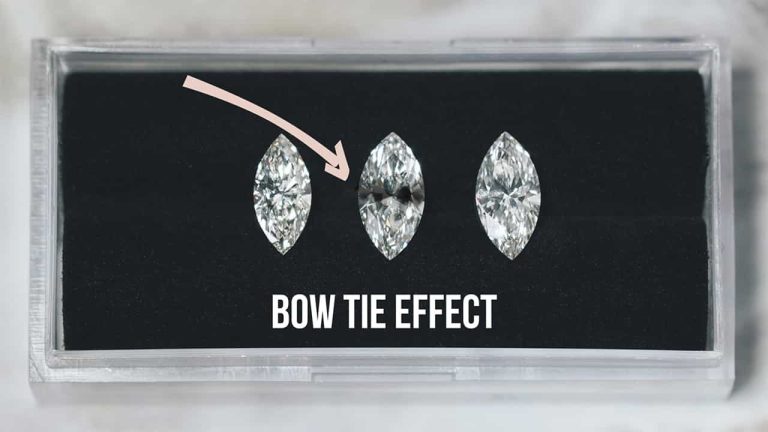
The bow-tie effect is the darker area you might see across the centre of a marquise diamond, and yes, it’s common in elongated stones.
Now, the bow-tie. We have a bit of beef with a bad bow-tie, but not every bow-tie is bad.
It comes from how light moves through elongated stones. Ovals and pears can show it too. A little contrast can give the diamond life. The problem is a dark stripe that cuts the stone in half. If you notice the bow-tie before the diamond, we’d pause.
A softer bow-tie that shifts as the stone moves is usually fine. A dark one that stays put in every light can make the centre feel flat.
Color, clarity, and the 4Cs for marquise diamonds
The 4Cs still matter, but marquise diamonds need a slightly different eye. For more, read how to hack the 4Cs.
Colour is one of the first things we look at. A marquise diamond can show warmth more easily than some shapes, especially near the points. That doesn’t mean you always need a D or E. Many people are happy around G or H when the stone faces up nicely.
Yellow gold can soften warmth. Platinum or white gold may make it more visible. For clarity, ask if anything distracts your eye.
Marquise vertical vs. east-west: which one feels like you?
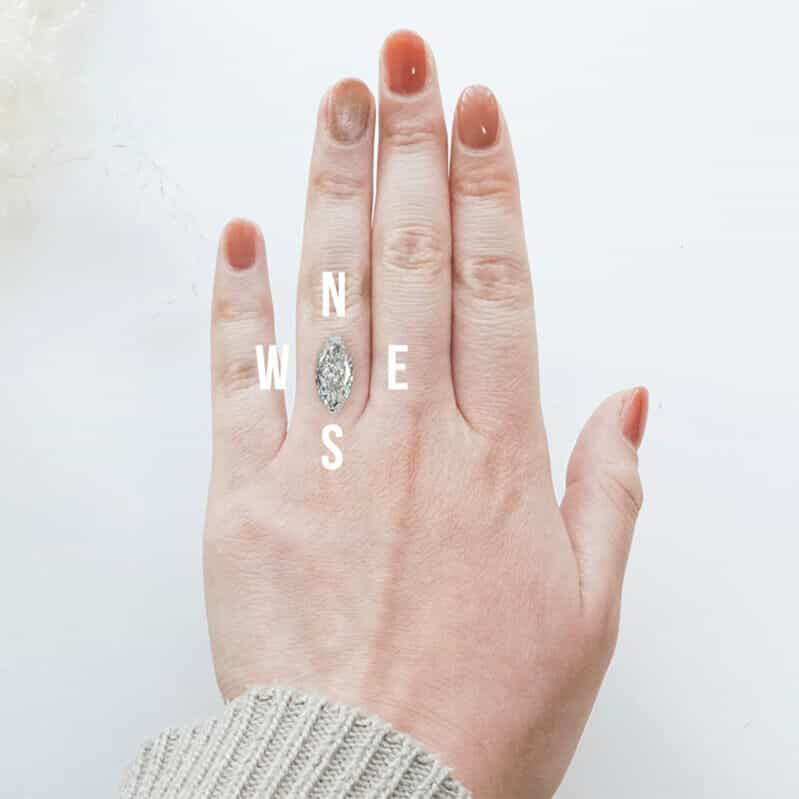
A vertical marquise diamond ring points up and down the finger. It feels classic, lengthening, and traditional.
Turn the stone sideways and the mood changes. A marquise east west diamond ring feels lower, cleaner, and more modern. It can also feel easier if you don’t want the ring to look too tall on the hand.
Neither is more correct. Vertical gives you that long line. East-west feels more unexpected. Try both if you can.
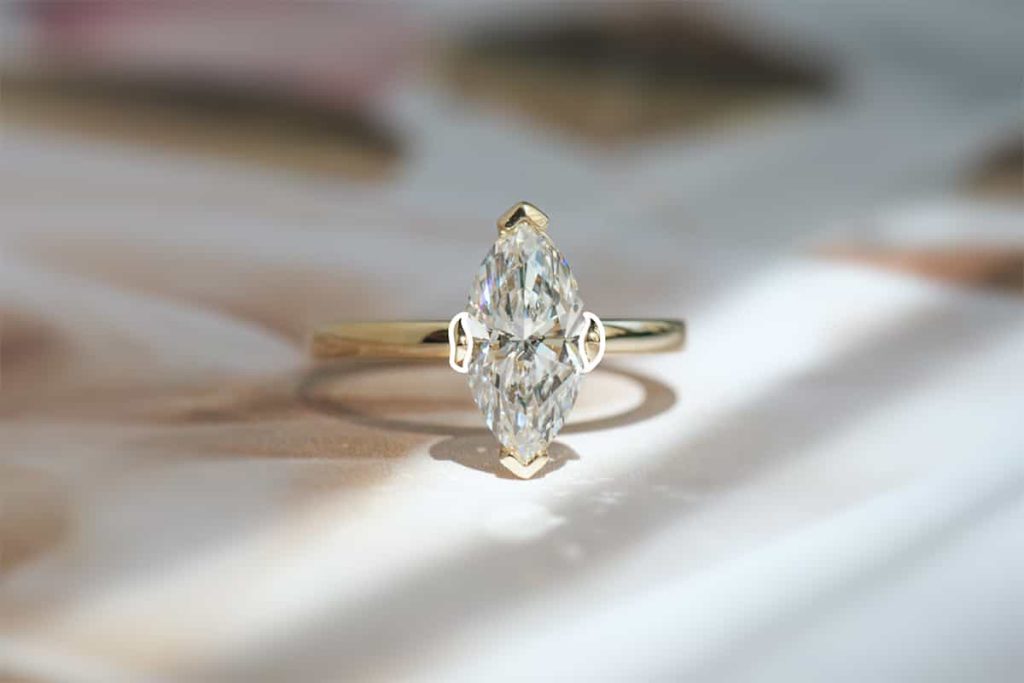
claws placed at the west and east points
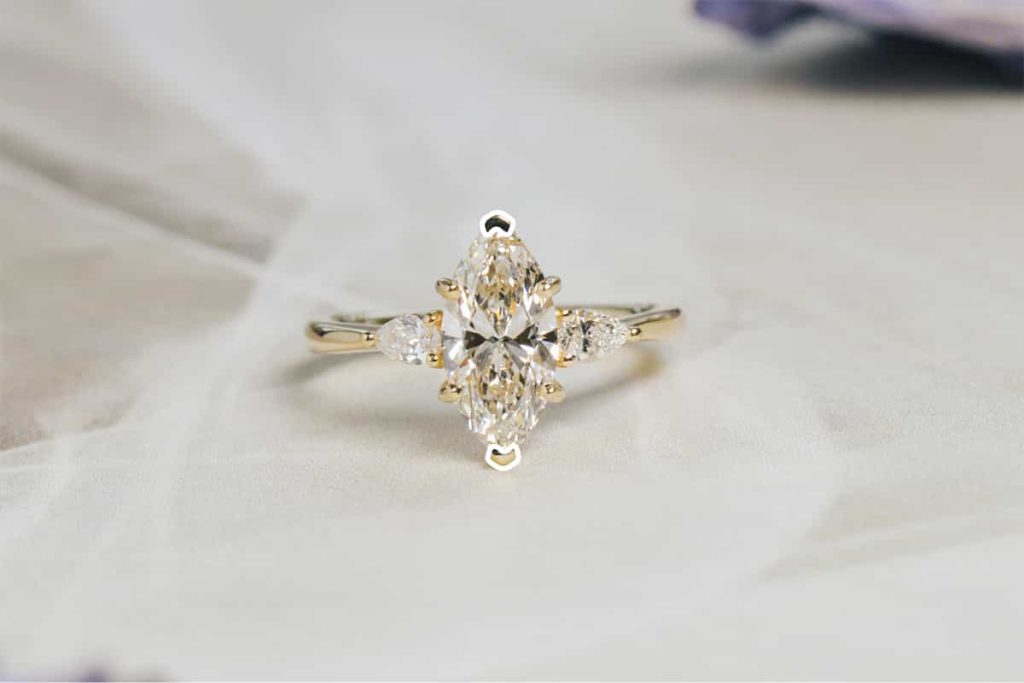
claws placed at the north and south points
Why durability and setting matter more for marquise
Durability and setting matter more for a marquise diamond because the pointed tips are more exposed than softer shapes like oval or round diamonds. A marquise isn’t weak, but the tips do need care. A V-prong protects the point by wrapping it. A bezel gives more coverage because metal surrounds the edge. Our guide to bezel settings explains that style. A diamond marquise solitaire ring can be stunning, but the setting still needs to protect and support the shape properly. Claw placement changes the look. East-west claws can make the stone read plumper. North-south claws can emphasize length. For diamond marquise wedding rings, the band may need shaping so the set sits naturally together.Marquise, Pear or Oval: How to Decide
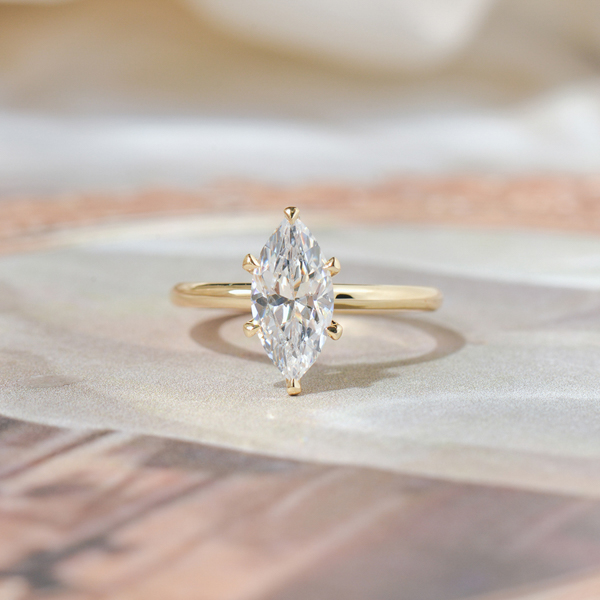
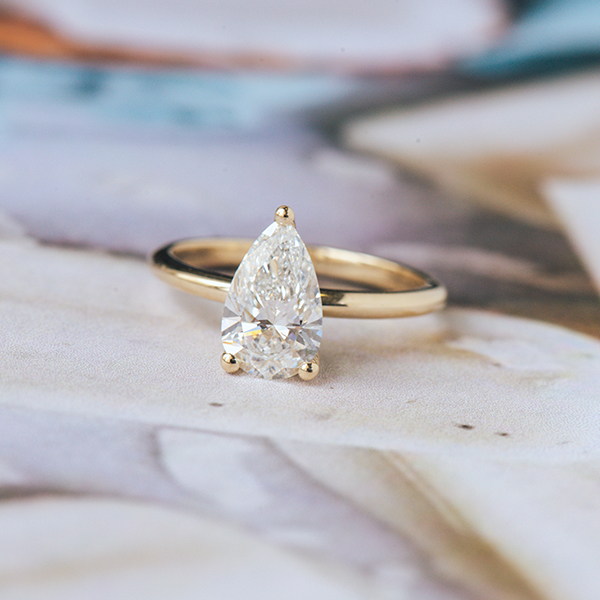
A marquise diamond, pear cut, and oval cut are all elongated diamond shapes, but the main difference is their outline: marquise has two pointed ends, pear has one pointed end, and oval has fully rounded edges.
A marquise is the most dramatic of the three. It has strong symmetry and a sharper outline. An oval gives you a similar lengthening effect, but with a softer feel. A pear sits somewhere in between: one rounded end, one pointed end, and a teardrop shape that feels a little more romantic and directional.
- Choose marquise if you want strong finger coverage, two pointed ends, and a more distinctive outline.
- Choose oval if you want an elongated look without sharp points.
- Choose pear if you like a softer teardrop shape with a little asymmetry.
Still comparing? Read our guides on picking the perfect pear-shaped diamond and choosing an oval diamond.

Pricing and Carat Comparisons
The cost of 2 carat marquise diamond options can vary a lot. Carat is only one part. Cut quality, symmetry, colour, clarity, certification, origin, and setting design all affect the final price.
A marquise can give more visible size for budget because of its face-up spread. But a poorly cut 2 carat stone is not automatically better than a balanced 1.7 carat one.
For a natural 2 carat marquise diamond ring, prices climb as quality improves. Lab-grown options are usually more accessible. In Toronto, the finished ring also depends on metal, side stones, custom work, and setting protection.
Lab-Grown vs. Natural Marquise Diamonds
A lab grown marquise diamond ring can make sense if you want a larger stone, higher colour, or higher clarity within budget.
Lab-grown and natural diamonds have the same optical and chemical properties. The difference is origin, rarity, pricing, and long-term value. Some clients prefer natural diamonds. Others like the flexibility lab-grown gives them.
Neither choice is automatically better. It depends on what you value most. Our lab diamonds vs. natural diamonds guide goes deeper.
What Clients Often Ask in the Studio
What surprises people most is how different two marquise diamonds can look at the same carat weight: one long and sharp, another soft and balanced; one bow-tie moving nicely, another sitting dark.
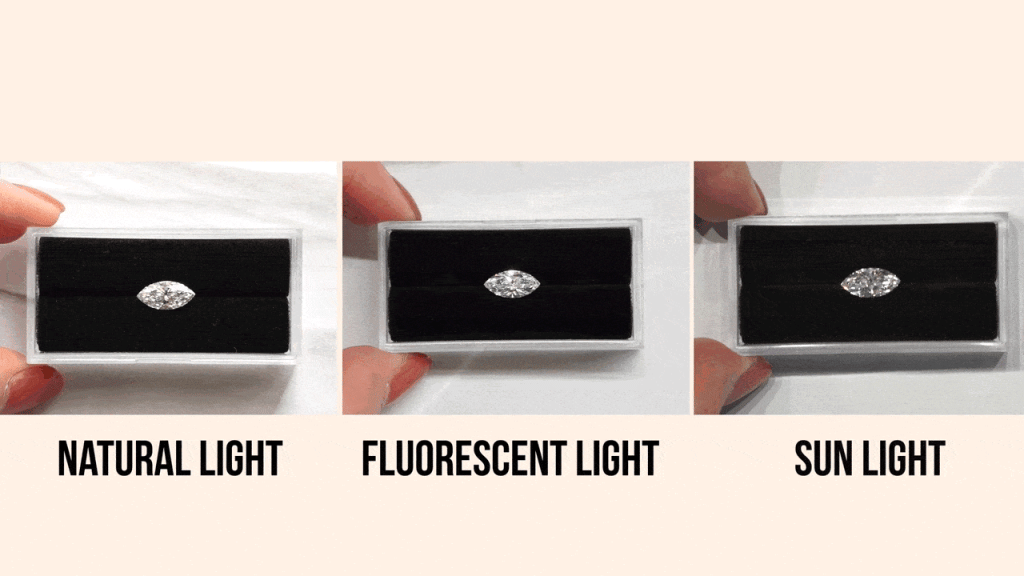
That’s why we like a proportion fitting test, in studio or virtually, with diamond proportions shown on your hand. We also do a multi-lighting test: window light, fluorescent light, direct light.
And yes, the marquise diamond from Selena Gomez’ engagement ring often comes up as reference from clients, but celebrity rings aren’t the whole story. The setting does most of the talking.
Ready to Compare Marquise Diamonds in Person?
Still weighing marquise against oval, pear, or another shape? Or maybe you’ve found a stone and you’re unsure about the bow-tie, orientation, or setting.
A consultation lets us show stones side-by-side, talk through proportions, and design around the specific marquise diamond you’re considering.
You can book a custom engagement ring consultation with Engage Studio virtually or in Toronto. No pressure. Just a clearer way to choose.
Frequently Asked Questions
What is a marquise diamond?
A marquise diamond is an elongated brilliant-cut diamond with two pointed ends.
Why is my marquise diamond showing a bow-tie?
It’s caused by how light travels through the centre. Some bow-tie is normal.
Is the bow-tie effect bad?
Not always. A soft bow-tie can add contrast. A dark one can distract.
How much does a marquise diamond cost compared to a round?
It can give more face-up size, but price still depends on the 4Cs, certification, and origin.
Is a 2 carat marquise diamond bigger than a 2 carat round?
Not by weight. Visually, it often looks larger because the shape spreads across the finger.
Should I buy a marquise diamond with a lower colour grade?
Sometimes. G or H can be smart, but compare it in your chosen metal first.
What setting is safest for a marquise diamond’s pointed tips?
V-prong and bezel settings are usually safest.
Should I wear my marquise vertically or horizontally?
Vertical feels classic. East-west feels modern and lower-profile.
Can I get a lab-grown marquise diamond?
Yes. Lab-grown marquise diamonds are widely available.
Is a marquise diamond more durable than an oval?
Not usually. The pointed tips make marquise a little more vulnerable.
Do marquise diamonds look dated?
They can look vintage or modern depending on the setting.
What’s the difference between a marquise and a pear cut?
A marquise has two pointed ends. A pear has one rounded end and one pointed end.